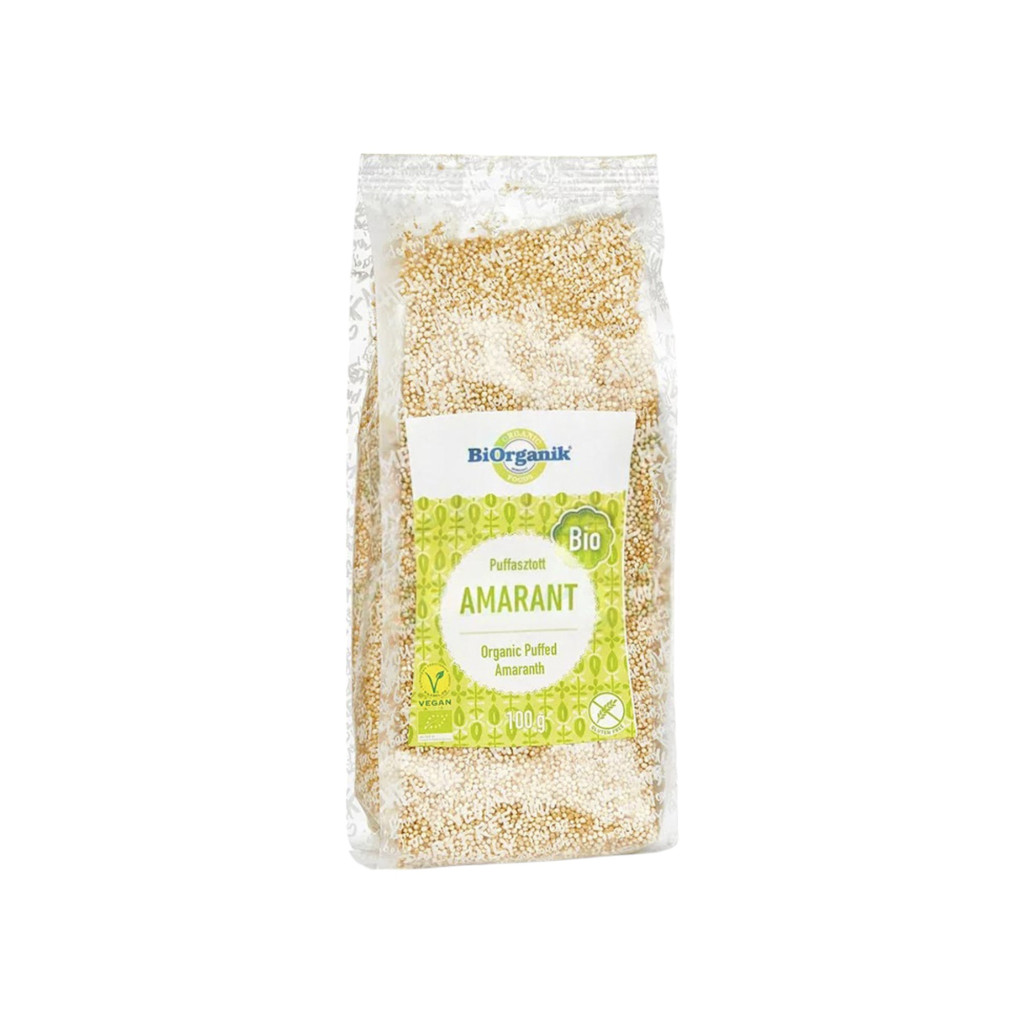
Product Description
Dél-Amerikából származó álgabona, amelyet már többezer évvel ezelőtt is ismertek és termesztettek, de csak cc. 40 éve figyeltek fel kimagasló beltartalmi értékeire.
Amaranth does not contain gluten, so those sensitive to it can safely consume it.
Importance, impacts:
Amaranth has lower carbohydrate content and higher protein and fat content than most grains and pseudo-grains. Its protein composition is favorable, containing a large amount of the essential amino acid lysine, which along with its other nutritional benefits, makes it unique and useful. Among the fatty acids, polyunsaturated fats are dominant.
It has a high fiber content, which aids digestion and slows down the blood sugar-raising effect of carbohydrates, and is also beneficial in case of constipation.
Amaranth has outstanding iron content among grains. In addition, its calcium, magnesium, and zinc content are also noteworthy.
One drawback of amaranth is that it contains some so-called antinutrients, which inhibit the digestion and absorption of certain valuable nutrients. Examples of such antinutrients are oxalic acid and phytic acid, which hinder the absorption of calcium and phosphorus.
Usage:
It can be consumed mixed into muesli or used to make cookies, cakes, or energy bars. It can also be used for breading and preparing fillings.