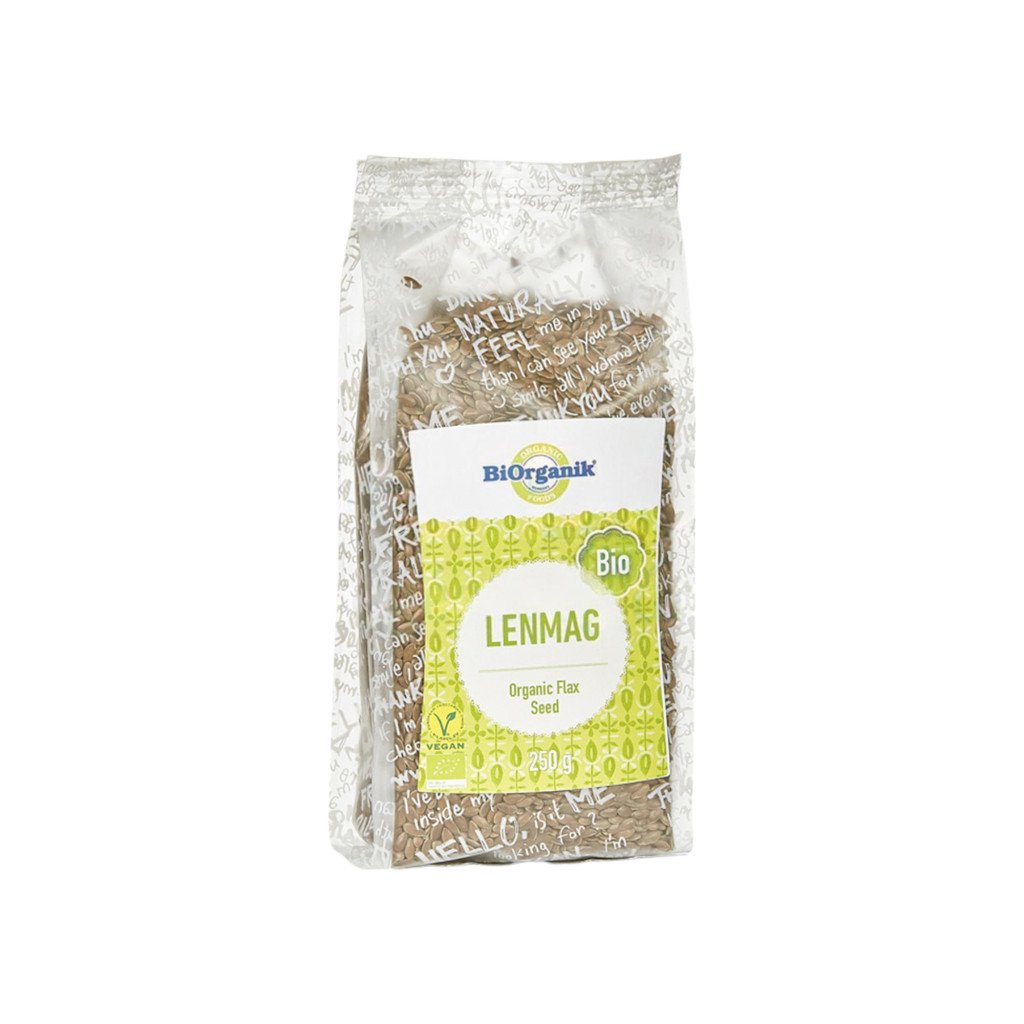
Product Description
Flaxseed has been cultivated and consumed for millennia, not only for culinary purposes but also for medicinal uses. Flaxseed was found in the Egyptian pyramids next to mummies, most likely left as provisions for the deceased to have energy to cross over to the afterlife. Hippocrates also mentioned its beneficial effects, and Charlemagne made its consumption mandatory for the health of his people.
Importance, impacts:
Flaxseed is high in fat content, mainly due to essential omega-3 fatty acids. Among these, alpha-linolenic acid stands out, which can help prevent atherosclerosis, reduce inflammation, and support brain function. Regular consumption is particularly recommended for those who do not eat fish and want to naturally supplement their omega-3 fatty acids.
The pith also has a significant fiber content. It contains both soluble and insoluble dietary fibers, which contribute to healthy digestion in different ways. However, make sure to consume plenty of fluids along with it.
Let's not forget that the nutrients found in flaxseed can only be utilized by the body if the seeds are chewed or ground, otherwise they simply pass through the digestive system as 'bulk' – although it can still be helpful in case of constipation.
Usage:
Poppy seeds are generally thought of as a decorative element used to sprinkle homemade breads, pastries, but they can also be mixed into breading.
It can be consumed on its own, either whole or ground. The recommended daily amount is 1-2 teaspoons, which should be consumed with at least 1 glass of water. It can be mixed into our porridge, plant-based yogurt, or used to enrich salad dressings as well.
Ingredients: flaxseed