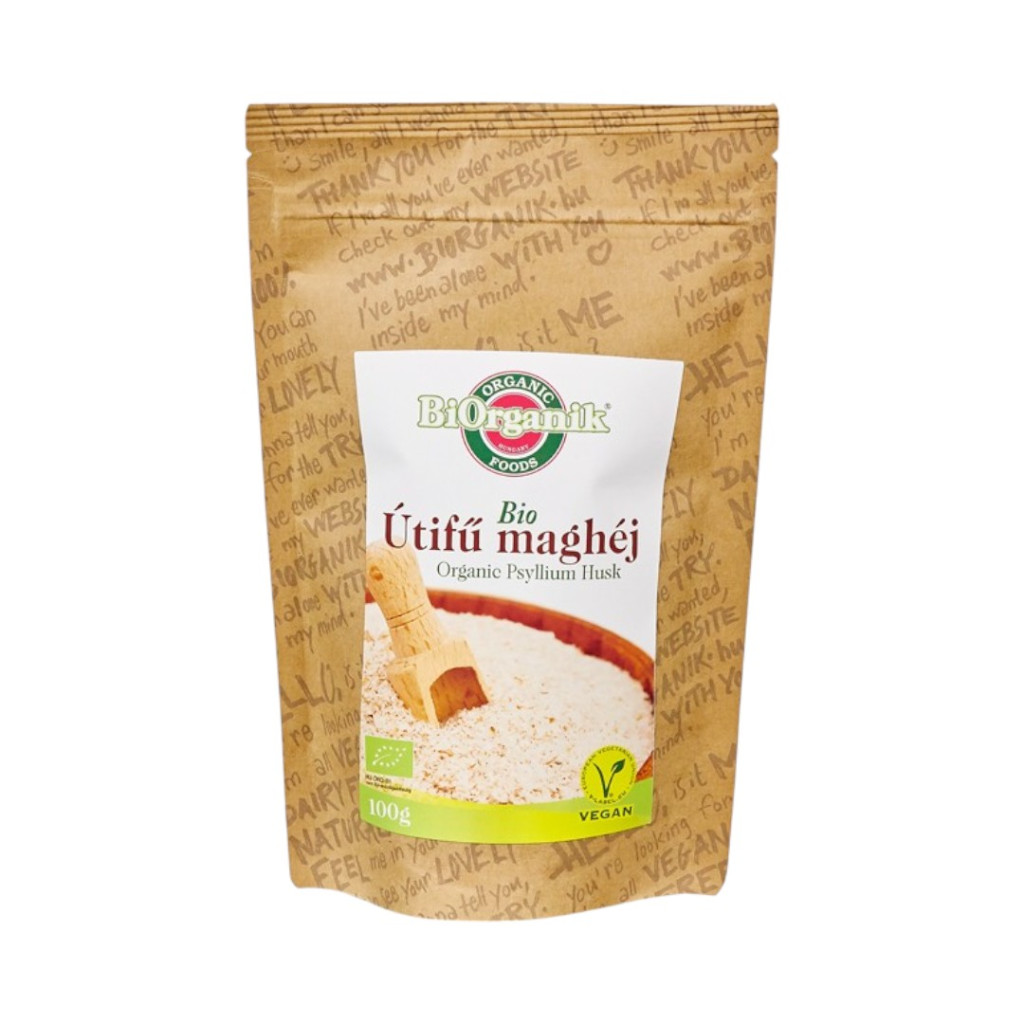
Plantain is a plant native to West Asia, which has been used for thousands of years in Indian and Chinese traditional medicine.
Psyllium husk is primarily known for its digestive and laxative effects, attributed to its high content of soluble fiber. Less known but for the same reason (due to its fibers) it may also play a role in reducing cholesterol and blood sugar levels, in weight management, and in improving overall well-being. It can be helpful not only for digestion but also in the kitchen, as it can be used as a clarifying agent and texture improver due to its water-binding capacity.
Importance, impacts:
Psyllium husk helps prevent constipation. Water-soluble fibers bind water in the intestines, swell, increasing pressure on the intestinal walls, promoting more effective movement, and softening the stool. In addition, it helps alleviate symptoms of irritable bowel syndrome.
The fiber in psyllium husk is prebiotic and nourishes beneficial bacteria living in the gut. This enhances the body's defense mechanisms, as a healthy gut flora is a cornerstone of proper immune system function.
In addition, fibers help reduce blood cholesterol levels and protect blood vessels. They slow down the blood sugar-raising effect of carbohydrates, so paying attention to fiber intake is recommended even in cases of diabetes.
Psyllium husks and fibers can help with weight loss as the swollen fibers increase the feeling of fullness. In addition, they have very low calorie content as the fibers are not absorbed in the intestine and do not provide energy.
It's worth noting that psyllium husk (and any other high-fiber food) can only have a beneficial effect if we consume enough fluid alongside it. Otherwise, we may end up doing more harm than good.
Allergic reactions to psyllium husk are rare but possible, along with some unpleasant side effects such as abdominal pain, increased bowel movements, diarrhea, and vomiting.
Usage:
Psyllium husk can be consumed in various ways. It can be taken alone, mixed with a large glass of liquid, added to food (creams, stuffed, layered dishes, soups, stews, etc.), or even baked into bread or pastries. The integrity of the fibers is not affected by heat.
Due to its water-binding capacity, it can be an excellent texture enhancer, for example, it can be used for solidifying fruit and vegetable purees (e.g. can be mixed into the filling when making strudel).
The dosage depends on several factors, such as the purpose for which it is consumed. In general, a quantity of 1-3 teaspoons is recommended. It can be consumed continuously, but it is advisable to consult a professional opinion on this.
Ingredients: psyllium husk
Nutritional content (per 100 g):
| Energy value: | 1124 kJ / 274 Kcal |
| Fat: | 7.72 g |
| - which saturates: | 0.74 g |
| Carbohydrates: | 63.59 grams |
| - of which sugars: | 1.24 g |
| Fiber: | 57.81 g |
| Protein: | 16.34 g |
| Salt: | 0.02 g |
Keep in a cool, dry place!
Country of origin: India.