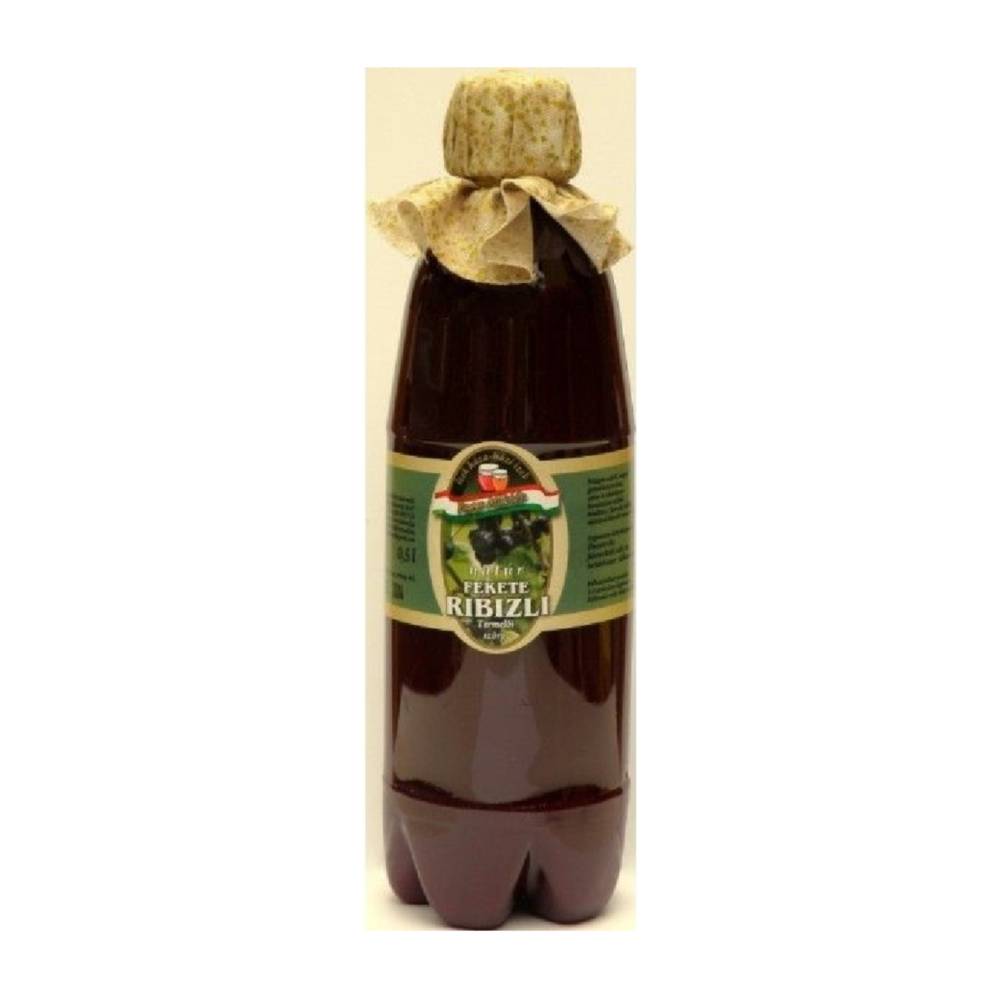
Black currant, also known as blackcurrant, belongs to the family of currants. Its medicinal properties were already recorded by medieval European monks.
Its name was chokeberry. The ripe berries are rich in antioxidants, particularly high in anthocyanins, flavonoids, and polyphenols.
It contains a lot of carotene, as well as vitamins B1, B2, and E, and vitamin C (there is 130-170 mg of vitamin C in 100g of fruit. Only rose hips contain more vitamin C). A special feature is that even during cooking, vitamin C does not escape from it. This is due to the presence of a so-called vitamin PP (niacinamide), which protects vitamin C from decomposition. Freezing does not harm it either. It has a significant content of cobalt, rubidium, selenium, manganese, bromine, copper, zinc, potassium, magnesium, phosphorus, iron, nickel, calcium, and sulfur. These elements are all present in it as organic compounds, that is, as compounds that are easily processed by the body. It has a significant calcium and iron content.
Volume: 500ml