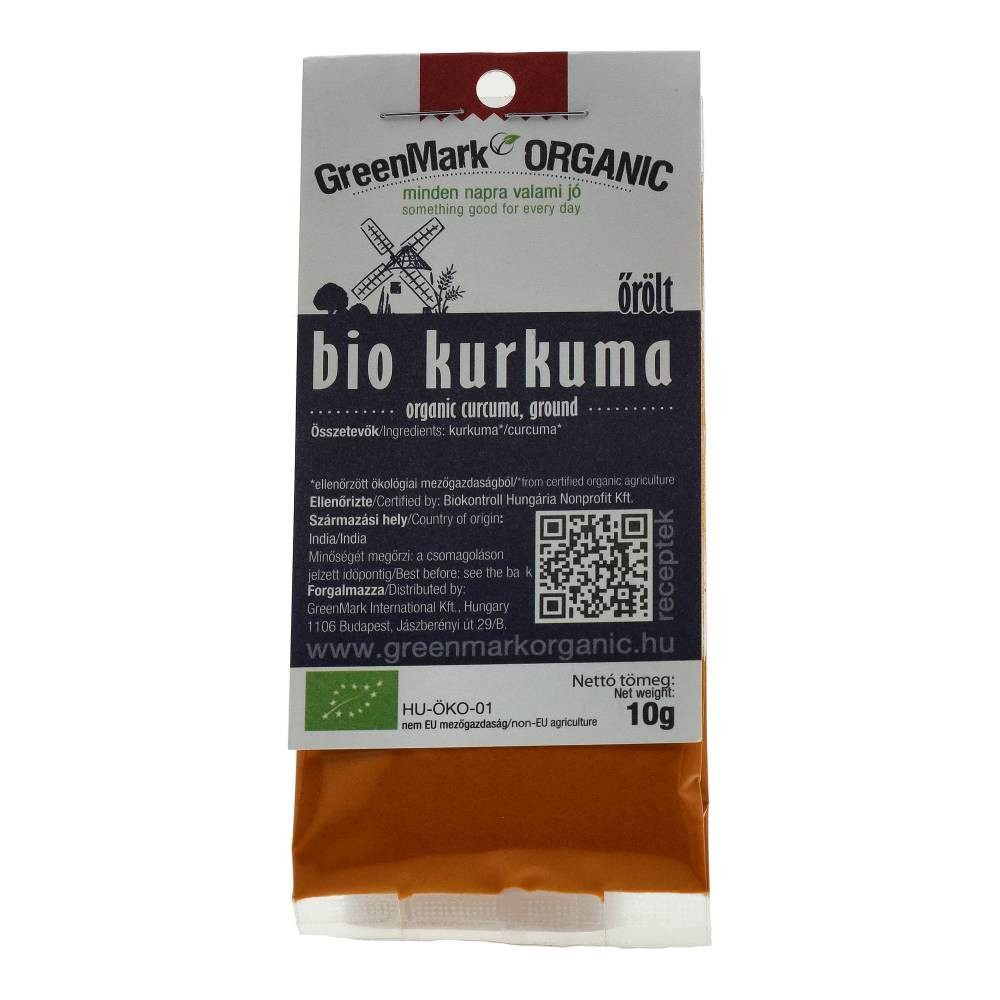
Product Description
Place of origin: India
Ingredients: Turmeric 100%
Turmeric - reduces inflammation, inhibits tumor formation
In India, turmeric is used for wound healing and to treat respiratory problems in the form of tea. Modern medicine confirms the positive physiological effects of the spice, mostly in relation to the compound curcumin, which is a potent antioxidant and has anti-inflammatory properties. Curcumin alleviates joint inflammations, pain caused by injuries and dental procedures, and currently, numerous research studies are exploring its potential applications in the treatment of heart diseases, diabetes, and Alzheimer's disease.
The English word "turmeric" allegedly originates from the Latin words terra merita, meaning "earth deserving." Hindus highly respect turmeric and associate it with fertility.
GROWTH
Turmeric is a robust, vivid, and deep yellow-colored rhizome that is about the size and shape of ginger and thrives in hot tropical climates. India is the world's number one country where it is extensively produced, consumed, and exported.
The previous year's rhizome pieces are planted, leading to the growth of a plant with a long stalk that can reach up to 1 meter in height. In about 9 months, the rhizome emerges from the ground, indicating its maturity. The rhizome is boiled, peeled, dried for a week, and then sorted. Almost the entire harvest is ground into powder and brought to the market.
AROMA AND FLAVOR
Turmeric has a peppery aroma with a mild woodsy flavor. Its warm, musky taste has a slightly bitter aftertaste.
USE IN THE KITCHEN
When a recipe calls for saffron, it is often substituted with turmeric. Incorrectly. Turmeric does not replace saffron, however, it is still used this way in Indian cuisine. It is added to dishes where the color is important and not the flavor, so that they can mention it as saffron, while the price of saffron is much higher. Perhaps as part of curries, it is valuable, where its taste and aroma are highly appreciated. It is used in pickles, preserves, and many Indian rice dishes, but in North Africa, it is often used to season lamb and vegetables.
MEDICAL AND OTHER USES
Due to its aroma, it is slightly digestive, mainly used to treat liver and stomach ailments. It is said to be effective against colds when boiled in sugared water. Its individual use is for its vivid color as a dye. In the food industry, it plays a role as an edible food coloring, for example in coloring mustards, liqueurs, and butters.
STORAGE
It is recommended to buy in small quantities, store in an airtight glass container, protected from light. When preparing turmeric on your own, it is recommended to use gloves, as it can stain your hands.
THE BENEFITS OF TURMERIC
- Inflammation reduction
- Pain relief
- Antioxidant effect
- Fight for your skin and against aging
- It can help in wound healing.
- Positive thinking has a beneficial effect on brain health and memory.
- Immune boosting
- Optimizing Cholesterol Levels