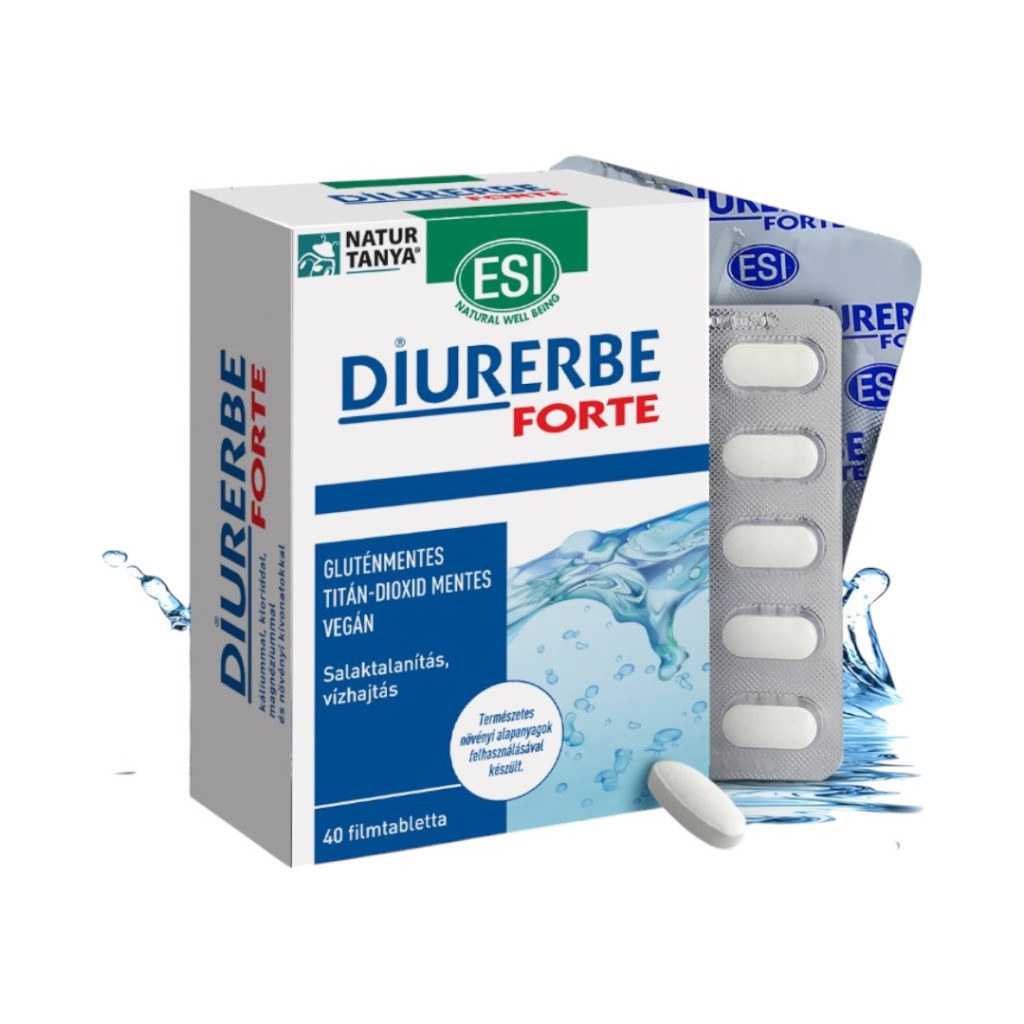
Naturtanya je silná diuretikum a detoxikačná tableta bez zbytočných prísad, 40 ks
Štandardizovaný extrakt z liečivých rastlín a magnézium, draslík a chlorid obsahujúce doplnky stravy. Produkt je obzvlášť odporúčaný pre ľudí, ktorí podstúpia detoxikačnú kúru, odvodnenie tela, močopudnú terapiu a boj proti celulitíde. Magnézium prispieva k udržiavaniu rovnováhy elektrolytov. Chlorid vďaka kyselina v žalúdku prispieva k zdravému tráveniu. Detoxikácia, odvodnenie, štandardizovaný extrakt rastlín s draslíkom, magnéziom a chloridom, vegánsky certifikovaný doplnok stravy, bezlepková formula, neobsahuje konzervanty a umele príchute.
Product Description
Dietary supplement containing titrated and standardized herbal extracts, as well as magnesium, potassium, and chloride. The product is particularly recommended for individuals undergoing a metabolism-boosting, detoxifying, diuretic, and cellulite-reducing regimen. Magnesium contributes to maintaining electrolyte balance. Chloride, through the production of hydrochloric acid in the stomach, contributes to healthy digestion.
- DECONTAMINATION
- HYDRODRIVE
- TITRATED AND STANDARDIZED PLANT EXTRACTS
- WITH POTASSIUM, MAGNESIUM, AND CHLORIDE
- VEGAN CERTIFIED DIETARY SUPPLEMENT
- GLUTEN-FREE FORMULA
- DOES NOT CONTAIN PRESERVATIVES AND ARTIFICIAL FLAVORS
- THE ROLE OF WATER IN THE HUMAN BODY
The human body consists of 50-70% water regardless of age, gender, fitness level, or health status. The main organ responsible for maintaining the balance of water in our body is the kidney, but the digestive system, lungs, and skin also play a role.
The physiological role of water is very diverse in the human body; it serves as a solvent for various nutrients, participates in regulating body temperature through its high specific heat and heat of vaporization, contributes to maintaining normal physical and mental functions, sustains the volume of blood, helps in the elimination of toxic and excess substances entering or forming in the body, and significantly contributes to providing essential environmental conditions for living organisms.
HOW TO CALCULATE INDIVIDUAL FLUID NEEDS?
Fluid needs are influenced by several factors such as physical activity, weather, climate, humidity, gender, age, health condition, etc. It is essential to determine individual fluid needs tailored to each person.
Regarding individual fluid needs, there is no unified official position yet, according to the recommendation of the European Food Safety Authority (EFSA), adults should consume 2-2.5 liters of water daily.
Methods of Estimating Hydration Mentioned as an Example:
Changes in body composition can indicate water loss or water gain.
Changes in the volume and composition of blood reflect changes in hydration status.
Our hydration level can be estimated from the amount, color (affected by some foods and vitamins), composition, and frequency of urination.
The composition and osmolality of saliva also serve as indicators of hydration.
If you are interested in other reliable information about fluid balance, you can find it on the website of the European Hydration Institute (EHI).
FLUID BALANCE, WATER RETENTION
The water and electrolyte balance is under very complex and intricate hormonal and nervous system regulation. Thirst is often not related to hydration, but an increase in plasma osmolality raises the concentration of antidiuretic hormone, enhancing water retention.
PROMINENT FACIAL EDEMA, STUBBORN CELLULITE, BLOATING, UNPLEASANT SENSATION, SWELLING OF LIMBS. THIS IS CAUSED BY WATER RETENTION IN THE BODY, WHICH WE MIGHT PERCEIVE AS EXCESS WATER!
WHAT COULD BE THE TRIGGERING FACTORS?
Loss of fluids in our body (e.g. blood, urine) can lead to hypovolemia, but the concentration of sodium in the lost fluid can also have an influencing effect. The lack of water can cause retention of it in our body.
- Excessive consumption of table salt (NaCl)
- Unbalanced, inadequate diet
- High temperature
- Physical inactivity, sedentary lifestyle
- Some medications (including birth control pills)
Premenstrual water retention is a common phenomenon associated with the menstrual cycle, occurring in the week leading up to menstruation. During this period, bloating and weight gain are often experienced. Poor eating habits can exacerbate these symptoms, leading to breast swelling. Many women experience water retention and increased body weight during the luteal phase. The background of water retention may be due to the effects of estrogen or increased secretion of vasopressin. It is important to mention that more muscle glycogen can be stored during the luteal phase even with a normal diet, leading to increased water retention; every gram of glycogen binds 2-6 grams of water.
ABOUT CELLULITE BRIEFLY
Cellulite, which primarily affects women's thighs, is the complex of retained water with fat. At times, it retains so much water that it becomes swollen and painful. Metabolic waste and toxins, such as pesticides, that the body is not able to easily eliminate are usually stored in these fats. It is believed that the water retained in cellulite;
- or irritation and swelling caused by these toxins
- or because the body is trying to dilute these toxins
PLANT ACTIVE INGREDIENTS AGAINST EXCESS WATER
Diuretic herbs have been used since ancient times for various conditions, as they could provide quick and effective results. The exact mechanism of action of diuretic herbs is still the subject of scientific research to this day. Although there are groups of active ingredients attributed to such effects (e.g. flavonoids, essential oil components, saponins, etc.), the increased diuresis observed is the result of the combined action of multiple active ingredients and cannot be attributed to one (or a few) compound. Diuretic herbs contain one of the aforementioned groups of compounds.
Previously, assumptions spread that the mechanism behind the effects might involve dilating the renal arteries (thereby increasing urine excretion), but observations suggest that these herbal remedies increase water excretion while not affecting ions. In contrast, synthetic diuretics also influence the excretion of ions. So, combining potassium-wasting synthetic diuretics with various herbal remedies may be favorable, as they can reduce the extent of hypokalemia (low potassium levels). Different foods contain potassium and sodium in a 2:1 ratio, yet in some plants, this ratio can reach as high as 150:1, thus hindering the disruption of the body's electrolyte balance.
SILVER BIRCH (BETULA PENDULA):
Birch is one of the most ancient medicinal plants we have. The therapeutic use of birch leaf dates back to ancient folk medicine. In the VIII. Hungarian Pharmacopoeia, the dried drug of birch leaf containing at least 1.5% flavonoids (hyperoside) is official.
Due to its high flavonoid content, birch leaves are diuretic and anti-inflammatory, as well as a urinary and kidney disinfectant. They are also used in the treatment of urinary and kidney stones, as well as edema. In addition to flavonoids (hyperoside, quercitrin, myricetin-galactoside and other minor quercetin, myricetin, and kaempferol glycosides), birch is also a significant source of potassium.
SILVERWEED (HIERACIUM PILOSELLA):
Common horsetail is a traditional medicinal herb that has been used for a long time, rich in coumarins, tannins, flavonoids, as well as terpenes, organic acids, and ascorbic acid. It has diuretic properties, especially in the lower limbs, promoting the rapid elimination of accumulated waste in the body.
Due to its diuretic effect, it can be used in phytotherapy for high blood pressure, obesity, and cellulitis, as well as for the adjuvant treatment of urinary tract complaints. In Polish folk medicine, it has been used for decades to prevent urinary tract infections, kidney inflammation, and kidney stone formation.
JÁVATEA - KIDNEY TEA (JÁVAITEA, INDIAN KIDNEY TEA, ORTHOSIPHON):
A tea leaf with long, robust flavor originating from the high-altitude regions of the island of Java. The dried leaf (herb) contains characteristic active ingredients such as flavonoids (sinensetin, eupatorin, scutellarein tetramethyl ether, salvigenin, rhamnazin), flavonol glycosides, and significant amounts of caffeic acid derivatives (rosmaric acid, 2,3-dicaffeoyl tartarate, and acetate). In addition, diterpenes (orthosipholones), sesquiterpenes, triterpene saponins, and a high mineral content have been described, with a significant portion of the latter (around 3%) being potassium salt.
Southeast Asian traditional medicine primarily uses it for bladder and kidney diseases, as well as in cases of water retention and excess waste material. It is a relatively new medicinal plant in Europe, based on traditional use. It can be recommended in flushing therapies for bacterial and inflammatory diseases of the urinary system. Special attention should be paid to increased fluid intake. The Hungarian Pharmacopoeia requires a minimum of 0.05% sennoside content, which is determined by liquid chromatography with the help of a sennoside standard.
GOLDENROD (SOLIDAGO VIRGAUREA):
Commonly known as golden rod, meadow golden rod, and red ringweed, this plant has diuretic properties known since 1600 and is considered a native plant in Europe as well. Golden rod is used with preference for infections of the lower urinary tract, as well as for the treatment and prevention (for preventive purposes) of kidney stones and sand. In addition to the experiences gained in traditional medicine, clinical studies confirming its antispasmodic and diuretic effects also support these effects.
Contributes to the healthy functioning of the urinary system, supports the proper functioning of the bladder and lower urinary tract. It can be used under medical supervision if kidney stones are confirmed, but attention should be paid to adequate fluid intake.
QUACKGRASS RHIZOMES (AGROPYRON REPENS):
Common names: hedge hyssop, spaltum. It has been used in folk medicine for a long time due to its diuretic and urination-increasing (diureticum) ingredients. It can be a complement in cases of bladder infections, bladder and kidney stone problems. It is rich in components (so-called secondary metabolites) that have a wide range of therapeutic and pharmacological effects. Hedge hyssop is used for diuresis and for relieving the pain and cramps of the urinary tract. It is also used for anti-inflammatory and toning purposes.
This herb is widely used in children for urinary tract diseases (e.g. bedwetting and incontinence), urinary tract diseases, prostate diseases, rheumatism, kidney stones, and urinary tract infections to alleviate symptoms (cystitis, urethritis, prostatitis). Mannitol is abundant in this herb and is known as a standard osmotic diuretic: it is completely absorbed from the intestines and most of it is excreted by the kidney. The presence of mannitol in the renal tubules means that more water must be retained to maintain osmotic pressure. Saponins and vanillin also have diuretic effects. Bearberry is used as a diuretic and antimicrobial agent to flush the urinary tract during infection.
FIELD HORSETAIL (EQUISETUM ARVENSE):
Traditional medicine has been using the plant as a diuretic for a long time for treating kidney problems, rheumatic complaints, and obesity.
Did you know? Common horsetail is a natural remedy for kidney stones. Its effect makes the urine alkaline, reducing the risk of kidney stone formation. Common horsetail stems contain silicon, which strengthens connective tissues, hair, and nails.
POTASSIUM AND CHLORIDES:
The main cation in the intracellular fluid space. The third most abundant mineral in the body.
Sodium and chlorides are both electrolytes, and if the balance between these minerals in the body is disrupted, a number of vital processes may be endangered. They play a crucial role in fluid and ion balance, as well as in reducing high blood pressure.
MAGNESIUM:
Magnesium is one of the most important minerals for maintaining health. Studies support that it is not only necessary for over 300 enzyme reactions, but it may also play a role in preventing or treating various chronic diseases.
It helps to reduce blood pressure, and acts as a cofactor enzyme in soft tissues, contributing to maintaining the body's electrolyte balance. In the absence of magnesium, electrolyte imbalances and decreased intracellular and extracellular potassium levels can occur, so it is important to pay attention to adequate intake.
Dosage recommendation: Take 1 tablet twice daily, outside of meals, with plenty of fluids.
| Nutrients / active ingredients in the daily dose | 2 students | Do not resuscitate |
| Birch (Betula pendula L.) leaf extract 3-4:1 - containing hyperoside | 600 mg 15 mg | Invalid input. Please provide a valid text to translate. |
| Silver hawkweed (Hieracium piosella L.) extract 1-2:1 | 500 mg 5 MG | Invalid input. Please provide a valid text to translate. |
| Java tea (Ortosiphon stamineus L.) leaf extract 3:1 - containing sinensetin | 200 mg 2 mg | Invalid input. Please provide a valid text to translate. |
| Goldenrod (Solidago virgaurea L.) with full plant extract 10:1 | 200 mg | Invalid input. Please provide a valid text to translate. |
| Quackgrass (Agropyrum repens L.) root rhizome extract 4:1 | 100 mg | Invalid input. Please provide a valid text to translate. |
| Field horsetail (Equisetum arvense L.) whole plant extract 1:1 - containing silicon | 100 mg 2 mg | Invalid input. Please provide a valid text to translate. |
| Potassium | 300 mg | 15% |
| Magnesium | 112.5 mg | 30% |
| Chlorides | 285.4 mg | 35.7% |
NRV% - recommended daily intake percentage for adults
Warning:
- Do not exceed the recommended daily intake!
- Not recommended in case of hypersensitivity to the active substances.
- Dietary supplements do not substitute a balanced, varied diet and a healthy lifestyle.
- Keep the product out of reach of children.
- The product can be used from 12 years of age
- The product can be used alongside a blood thinner.
- The product is suitable for diabetes.
- The use of this product is not recommended for pregnant and breastfeeding women.
Storage: Keep in a cool, dry place, out of reach of children.
Ingredients: silver birch (Betula pendula L.) leaf extract 3-4:1 - 2.5% flavonoid - hyperoside, potassium chloride, pilosella (Hieracium pilosella L.) whole plant extract 1-2:1 - 1% flavonoid - vitexin, java tea (Ortosiphon stamineus L.) leaf extract 3:1 - 0.2% sinensetin, goldenrod (Solidago virgaurea L.) whole plant extract 10:1, magnesium oxide, bulking agent (hydroxypropyl methyl cellulose), couch grass (Agropyrum repens L.) rhizome extract 4:1, horsetail (Equisetum arvense L.) whole plant extract 1:1 - 2% silicon, anti-caking agents (silicon dioxide, magnesium salts of fatty acids), coating (hydroxypropyl methyl cellulose, microcrystalline cellulose, glycerin, fatty acids), colorants (titanium dioxide, copper complexes of chlorophylls and chlorophyllins).