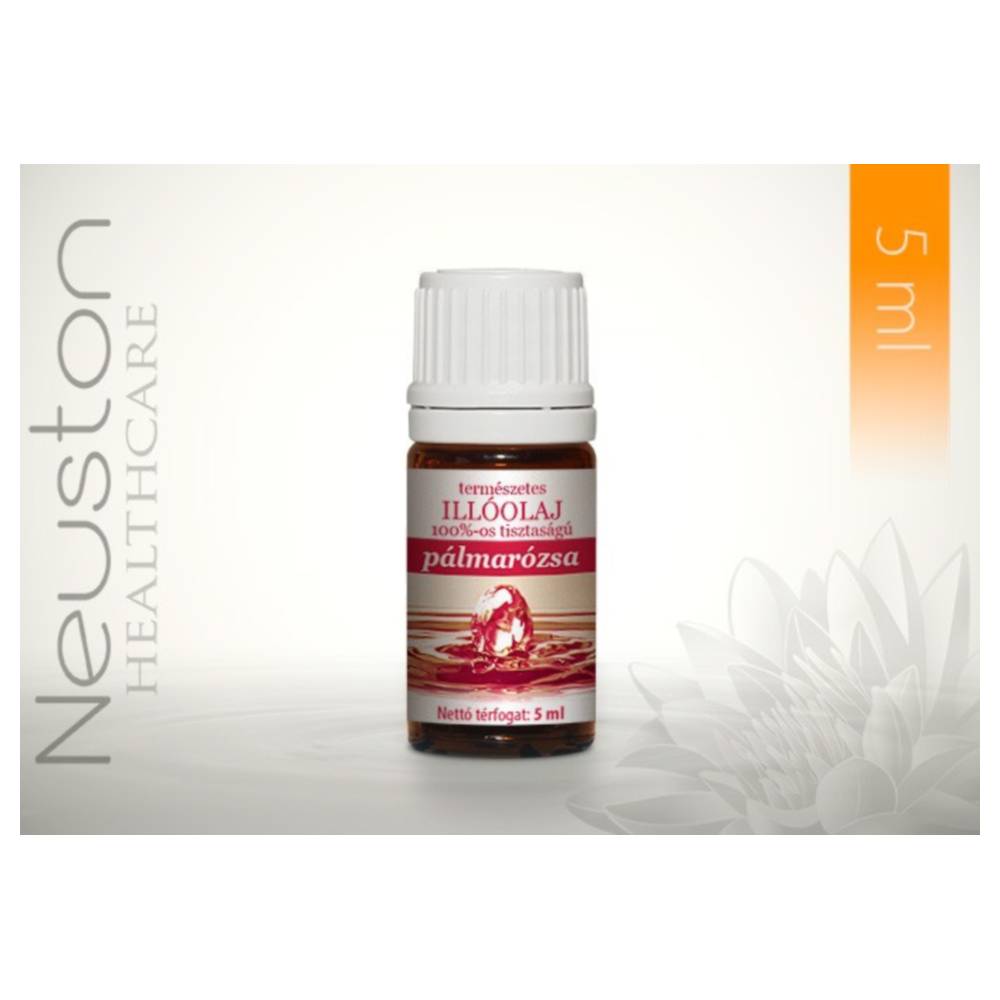
Application: Palmarosa oil is a translucent, liquid essential oil with a characteristically citrusy-floral base note reminiscent of geranium and rose, ranging in color from yellow to pale green on the color scale, produced by steam distillation from fresh or dried shoots of Palmarosa flowers. Palmarosa oil is non-phototoxic, non-irritating, and non-sensitizing, making it suitable for all skin types. It has antibacterial, antimicrobial, and mood-enhancing properties, making it effective in fragrances and cosmetics. Uses: In sauna oils: Its refreshing, rejuvenating, and mood-enhancing properties make it ideal for a pleasant sauna experience. In creams, cosmetics: Can be combined with any base oil to use in face creams, body lotions, lip balms, hand creams, face toners. Particularly recommended for dry, cracked, and stressed skin. It moisturizes and regenerates the skin, promotes the generation of skin tissues, and has a good exfoliating effect. Mix with high-fat and vitamin-rich oils for optimal effect, such as shea butter, almond oil, argan oil. For problematic skin: Palmarosa oil has strong disinfectant properties, making it particularly suitable for cleansing and caring for problematic skin. Regulates skin sebum production, reduces the chance of acne and blackhead formation. It can also be used as a moisturizer or face toner ingredient as it soothes the skin. In anti-aging creams: Improves skin hydration and texture, fades acne scars and minor wrinkles due to its moisturizing effect. In aromatherapy: Its pleasant floral scent relieves daily stress, reduces anxiety, and refreshes the soul. Can be used in a diffuser or aromatherapy lamp for therapeutic purposes or simply to refresh the air in our homes. For making natural cosmetics: Can be used alone or combined with other essential oils in making natural soaps and other cosmetics. For general well-being: Suitable for alleviating moodiness, depression, and poor mood. Best experienced for its calming effect when diffused in a room or added to bathwater. For making massage oils, creams: Can be added to any base oil (coconut oil, olive oil, etc.) for therapeutic massages, sports massages, and relaxing massages. Its pleasant scent helps relax the body and mind. For preparing relaxation baths: Add 5-10 drops of grapefruit oil to your bathwater and enjoy its mood-enhancing and invigorating effects! For alleviating menstrual symptoms: By mixing a few drops of lavender oil, palmarosa oil, and a cup of milk, you can create a soothing bath oil that helps you get through difficult days. For relieving cold symptoms: Use for inhaling, diffusing, or applying to cream to ease respiratory infections and colds in the winter season. It reduces inflammation of the sinuses and forehead, soothes the mucous membranes, and promotes normal mucus production. For treating injuries: Strongly disinfectant and antibacterial, can be used to disinfect minor surface injuries and accelerate wound healing. Contraindications: Do not use during pregnancy and lactation. Do not use on children under six years old. Production: Steam distillation Composition, active ingredients: geraniol, geranyl acetate, farnesol, linalool, b.ta-ocimene, beta-caryophyllene, geranial, caryophyllene oxide, beta-myrcene, elemol, (Z,Z)-farnesol About Palmarosa Oil: Palmarosa - also known as Indian geranium, Indian citronella grass, or Turkish geranium - is a native medicinal herb of India, which has been used for centuries in Ayurvedic medicine, with Madagascar being its main cultivation place. In the cosmetics industry, it is used as a fragrance due to its light, refreshing, citrusy, rosy scent, related to lemongrass. Interestingly, it is used not only in cosmetics but also to scent tobacco. Its oil was first extracted in the 18th century by steam distillation, with its dried leaves and buds being used in the past.