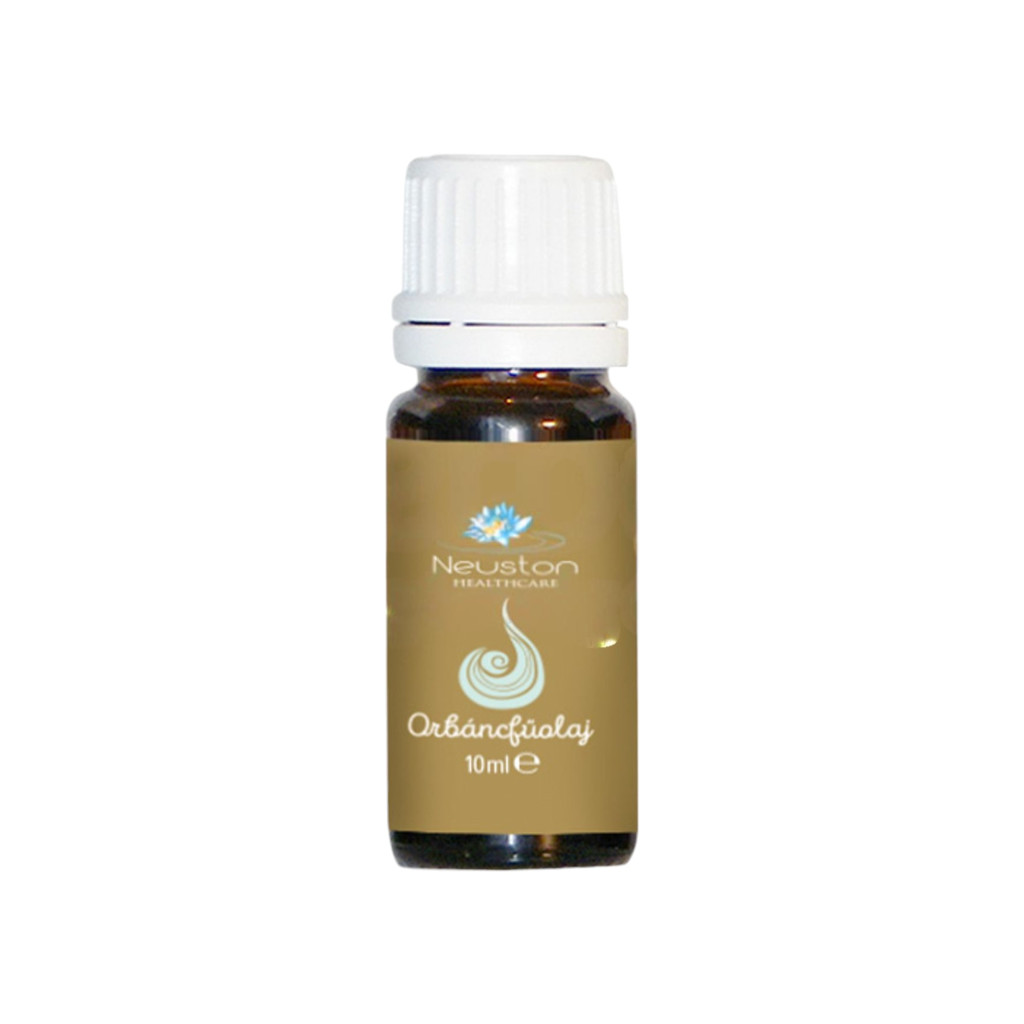
Product Description
St. John's wort oil has been widely used by humanity for centuries. It has a unique pain-relieving and antispasmodic effect, making it safe to use for injuries, limb pain, burns, rheumatic pain, menstrual cramps, minor skin injuries, and sunburns. Its healing and anti-inflammatory effects are gentle, while moisturizing and revitalizing the skin. Due to its hypericin content, St. John's wort oil is photosensitive, so it is not recommended to be exposed to sunlight after use.
Uses:
As a compress: for bruises, sprains, and swelling.
As an ingredient in facial creams and cosmetics: with healing and exfoliating properties, especially suitable for caring for eczema-prone or dry, itchy facial skin.
For insect bites and minor burns: it soothes the skin, reduces inflammation and redness.
After sun exposure: it aids in the natural regeneration of the skin, so it can be added to post-sun lotions and body care products.
For mature skin care: with its high antioxidant content, it revitalizes and rejuvenates the skin, suitable for eye wrinkle creams, anti-aging cosmetics, and blended into body oils. Daily use can slow down skin aging, preserving its natural moisture and freshness.
For rheumatic complaints: thanks to its pain-relieving and anti-inflammatory effects, it can effectively alleviate rheumatic and joint pain. It can be used as massage oil, bath oil, and foot bath as well.
For making massage oils and creams: it is particularly suitable for massaging tired limbs, the back, and joints. Due to its anti-inflammatory effects, it can help relieve chronic joint and limb pain.
To improve mood: during winter months, with less sunlight and decreased intake of vitamin D, the mood tends to be gloomier; at such times, vaporizing or massaging St. John's wort oil can lift the spirits, with soothing and relaxing effects. It can also be used for sitz baths or foot baths.
To relieve cramps: when applied to the affected area, it is suitable for premenstrual symptoms and menstrual cramps.
Manufacture: extract of soybean oil
Composition, active ingredients: tannin, flavonoids (hyperoside), naphthodianthrone (hypericin, hyperforin), essential oils
All about St. John's wort:
The common St. John's wort, known in folk medicine as the herb of St. John, is one of the most valuable and ancient medicinal plants used in folk medicine. Its therapeutic and usage methods were discussed in medical writings as early as the 1st century, and it was also attributed supernatural power in folk beliefs. Druids regarded it as a sacred plant that repels evil spirits; its dried flowers were placed over the entrances of residential and stable buildings as protection against harmful spirits. St. John's wort is widespread, and its yellow flowers can be found throughout Europe and Asia in forests, meadows, and mountain meadows. A special feature and characteristic of St. John's wort are the multitude of oil glands on its leaves, which contain the valuable hypericin; when the crushed leaf oil colors our hands burgundy. In folk medicine, St. John's wort was used for both external and internal ailments, mainly in the form of tea. It played an important role in treating various liver and kidney diseases, healing the stomach and intestines, and was also recommended for psychological problems such as depression, fatigue, and insomnia.
The pain-relieving effect of St. John's wort was discovered in ancient times, and it has since been successfully used to alleviate inflammations, sprains, swellings, and spasmodic pains. In addition to its excellent pain-relieving properties, it is also known as a cosmetic ingredient, as a base for facial creams, as a post-sun balm to alleviate sunburn symptoms, and can be used for healing surgical scars, burns, and minor skin injuries. Its soothing, relaxing, and mood-improving effects have been used for centuries to alleviate bad moods, lethargy, and depression.